








 ESPAñOL
 ČEšTINA
 FRANçAIS
 DEUTSCH
 ITALIANO
 POLSKI
 PORTUGUêS
 TüRKçE
 ไทย
ไทย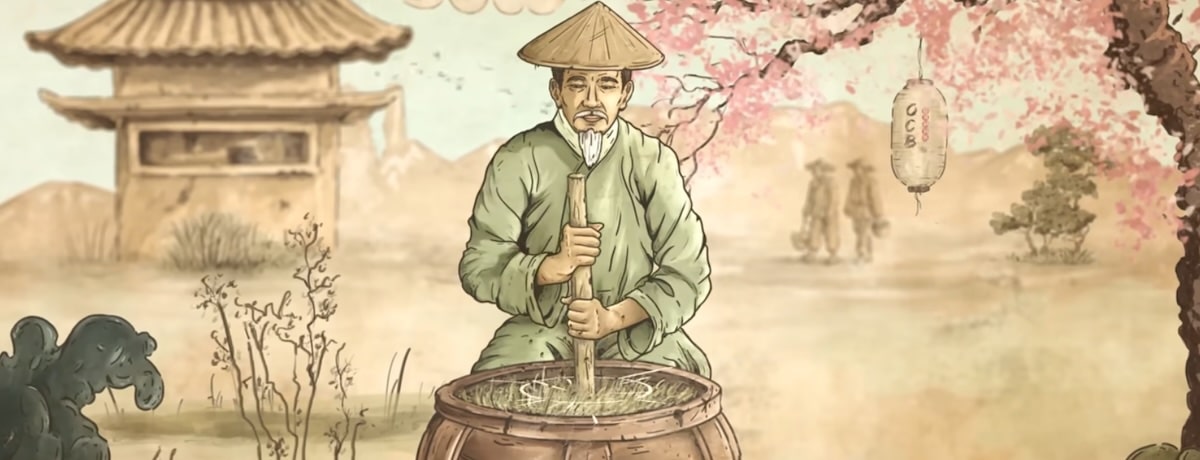
The history of rolling papers: from ancient origins to modern innovation
Have you ever wondered where rolling papers come from and how they’ve evolved into the sustainable, sophisticated products we know today? In this article, we take a journey through their history from their handmade beginnings across diverse cultures to today’s cutting-edge innovations, with brands like OCB leading the way. Keep reading to discover the story behind what seems like just a simple sheet of rolling paper.
The origins of rolling papers
The use of materials to wrap herbs or plant mixtures dates back thousands of years and developed independently across various civilizations.
-
The Americas
Early evidence shows that ancient civilizations such as the Mayans and Aztecs used corn or palm leaves to wrap and consume herbs in ceremonial rituals.
-
Asia
At the same time, handmade paper was being used in parts of Asia to wrap and burn aromatic plants for medicinal or spiritual purposes. In countries like China and India, where paper was invented centuries before it reached Europe, using paper to roll fine materials was part of cultural traditions. These papers were typically thin, lightweight, and sometimes even scented.
These origins show that rolling paper has a multicultural heritage, not attributed to a single inventor but rather the result of practical solutions developed independently across different societies.
The Evolution of rolling papers through time
Here are some of the key milestones in the development of rolling papers:
-
From handmade to industrial production
With the arrival of industrialization in the 18th century, the first organized production of papers specifically made for rolling began. This laid the foundation for the modern manufacturing processes we know today. 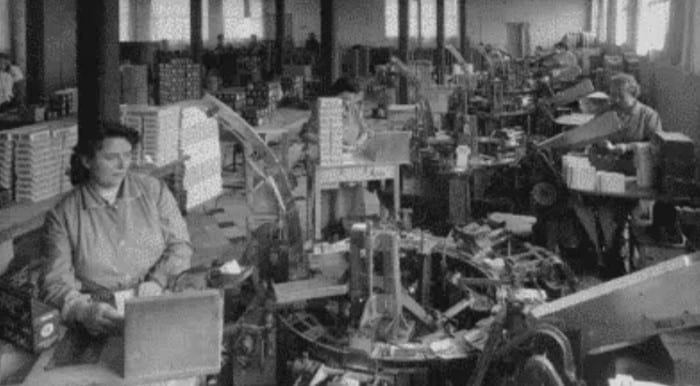
By the 1930s, the OCB factory was running at full capacity and had already become a leading European producer of rolling papers.
-
The birth of the booklet
At the end of the 19th century, the “booklet” format with interleaved sheets emerged. This design greatly simplified use and storage, and it became the precursor to the style we see today in virtually all brands. 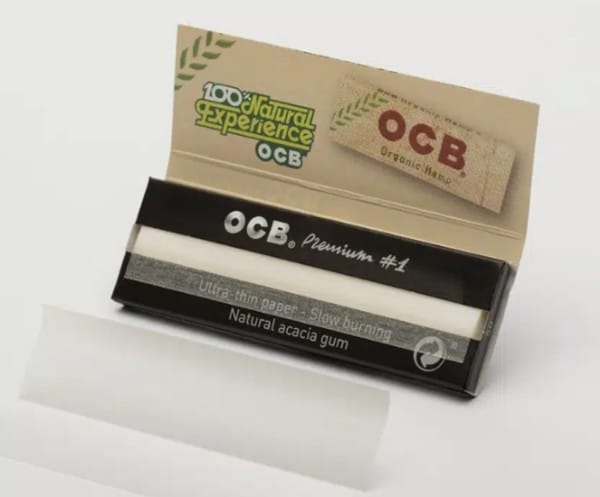
-
New materials, lower impact
Throughout the 20th century, manufacturers began experimenting with alternatives to traditional wood-based paper. Rolling papers made from plant-based fibers like flax, rice, hemp, or bamboo started to appear, offering lighter, cleaner products, free from bleaches and unnecessary additives. 
What are today’s rolling papers like?
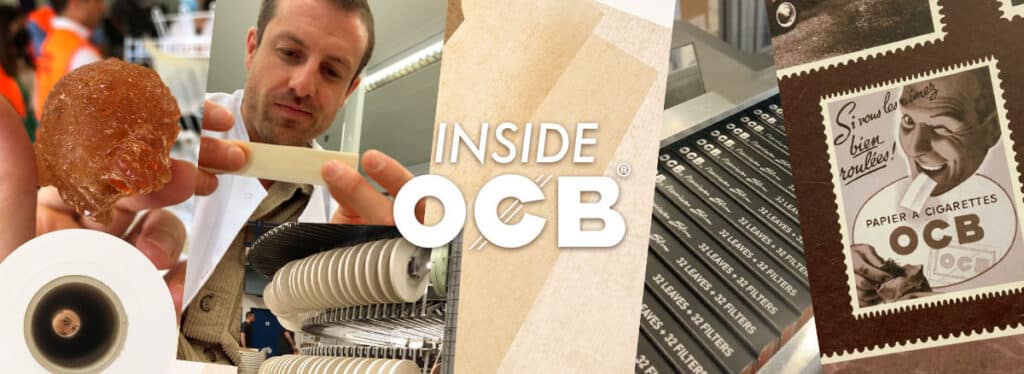
Modern rolling papers are the result of decades of refinement. Today’s options are ultra-thin, durable, slow-burning, and increasingly sustainable. To learn how they’re made, check out this article:
The story of OCB: over 100 years of expertise
OCB was officially founded in 1918 in France. Since then, the brand has combined tradition, innovation, and a strong commitment to the environment. Since then, the brand has blended tradition, innovation, and a strong commitment to the environment.
From ancient rituals to eco-friendly innovations, rolling papers are more than just an accessory they reflect history, creativity, and a journey toward sustainable progress.